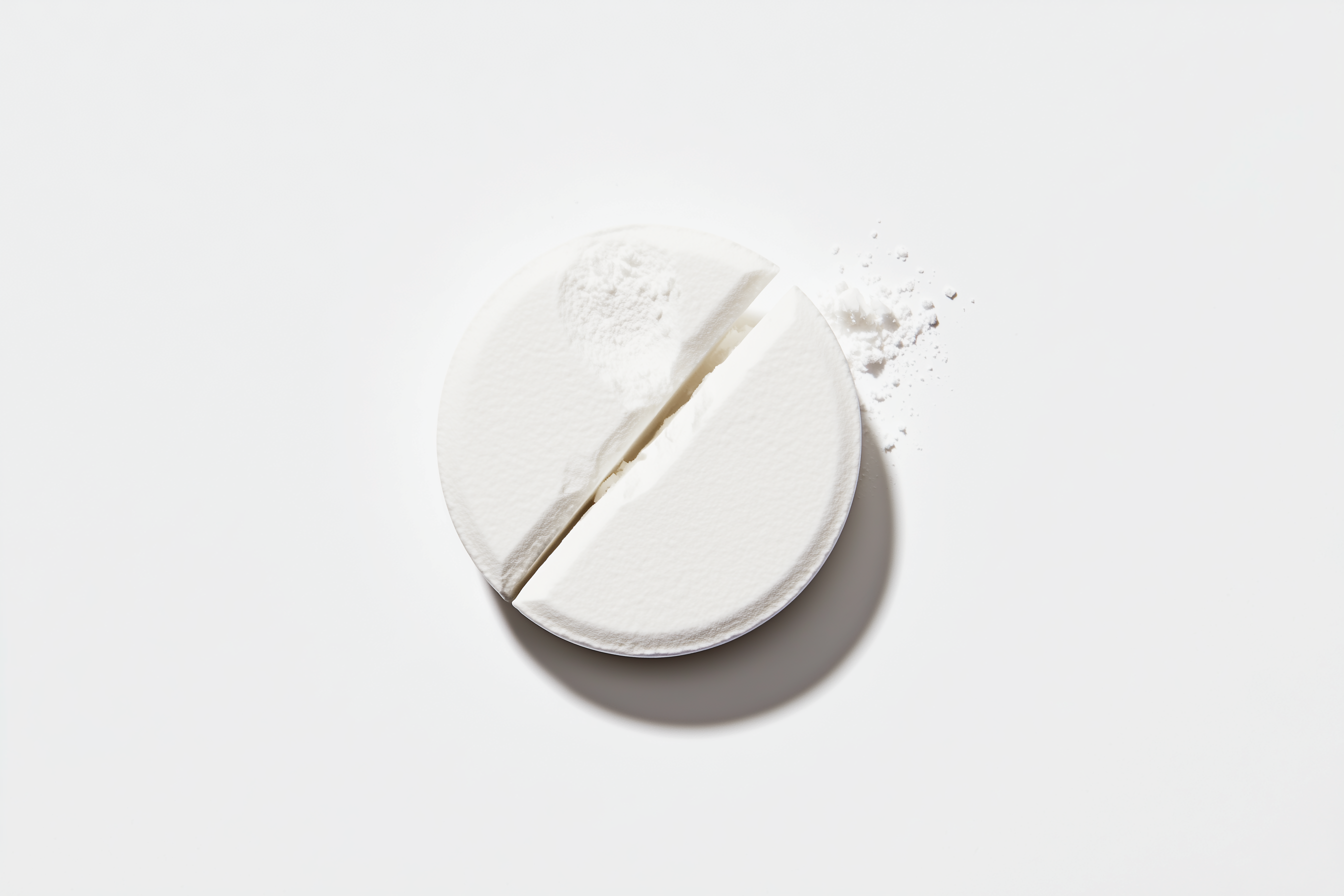
Learning how to identify fake pills can be a life-saving skill in today’s drug landscape, where counterfeit medications laced with deadly fentanyl are increasingly common. Fake pills often mimic legitimate prescription medications but contain unknown and dangerous substances, particularly synthetic opioids that can cause fatal overdoses even in microscopic amounts. This comprehensive guide will help you recognize the warning signs of counterfeit medications and understand the serious risks they pose.
The counterfeit drug market has exploded in recent years, with the DEA reporting that fake pills now account for a significant portion of overdose deaths across the United States. These dangerous replicas are designed to look like popular prescription medications, making them difficult to distinguish from legitimate pharmaceuticals without careful examination.
What Are Fake Pills and Why Are They So Dangerous?
Fake pills are counterfeit medications manufactured illegally to resemble legitimate prescription drugs. Unlike authentic pharmaceuticals produced in regulated facilities, these dangerous replicas are created in unregulated environments with no quality control or safety standards.
The primary danger lies in their unpredictable composition. When you cannot identify fake pills accurately, you risk consuming substances that may contain:
- Fentanyl, a synthetic opioid 50 to 100 times more potent than morphine
- Unknown cutting agents and toxic fillers
- Inconsistent dosages that can cause accidental overdose
- No active pharmaceutical ingredients whatsoever
- Dangerous chemical combinations that interact unpredictably
According to the DEA, approximately 70% of fake pills contain a potentially lethal dose of fentanyl. This statistic underscores why knowing how to identify fake pills is crucial for anyone who might encounter prescription medications outside of legitimate pharmacy channels.
How to Identify Fake Pills: Physical Characteristics to Examine
Learning to spot counterfeit medications requires careful attention to specific physical details. Authentic prescription medications are manufactured with precision equipment and strict quality standards, while fake pills often display telltale signs of inferior production.
Color and Appearance Inconsistencies
Legitimate medications maintain consistent coloring throughout each batch. Fake pills frequently show color variations, unusual shading, or colors that do not match the authentic medication. Look for pills that appear faded, too bright, or have an unusual tint compared to what you would expect from a pharmacy-dispensed medication.
Size and Shape Irregularities
Pharmaceutical companies use precise molds and measurements. Counterfeit pills often vary in size and shape, even within the same batch. Compare suspected pills to images of authentic medications online, paying attention to thickness, diameter, and overall proportions.
Surface Quality and Texture
Authentic pills have smooth, uniform surfaces with clean edges. Fake medications often display rough textures, uneven surfaces, crumbling edges, or visible imperfections. The coating may appear uneven or easily chip off.
Imprint and Marking Analysis
Prescription medications contain specific imprints, including numbers, letters, or symbols that identify the manufacturer and dosage. These markings on authentic pills are crisp, clear, and precisely positioned. Counterfeit versions often have blurry, crooked, or incorrect imprints.
Common Prescription Medications Targeted by Counterfeiters
Understanding which medications are most frequently counterfeited can help you exercise extra caution when encountering certain types of pills. Counterfeiters typically target high-demand medications that command significant street value.
Opioid Pain Medications
Fake oxycodone, hydrocodone, and other opioid painkillers are among the most dangerous counterfeits. These pills are often laced with fentanyl, creating an extremely high overdose risk. Popular targets include OxyContin, Percocet, and Vicodin.
Benzodiazepines
Counterfeit Xanax, Valium, and other anti-anxiety medications are increasingly common. These fake pills may contain fentanyl instead of the expected benzodiazepine, creating dangerous and unexpected effects.
Stimulant Medications
Fake Adderall and other ADHD medications have become more prevalent, particularly among college students and young adults seeking cognitive enhancement or weight loss effects.
When you learn how to identify fake pills in these categories, you develop skills that can prevent accidental fentanyl exposure and potentially fatal overdoses.
The Fentanyl Connection: Why Counterfeit Pills Are Deadly
Fentanyl contamination represents the most serious threat associated with counterfeit medications. This synthetic opioid is cheap to produce and highly potent, making it an attractive option for illegal drug manufacturers seeking to maximize profits.
The lethal dose of fentanyl can be as small as 2 milligrams, equivalent to a few grains of salt. This microscopic amount means that even tiny cross-contamination during pill production can create deadly consequences. Many people who consume fake pills are unaware they are ingesting fentanyl, leading to unexpected and severe respiratory depression.
Fentanyl-laced counterfeit pills pose particular risks because:
- Users may have no tolerance to opioids and are unprepared for the effects
- The dosage is completely unpredictable and often lethal
- Standard drug reversal methods may require multiple doses of naloxone
- The onset of effects can be rapid and overwhelming
If you suspect someone has consumed a fentanyl-contaminated pill, immediate medical attention is critical. Signs of fentanyl overdose include slow or absent breathing, blue lips or fingertips, gurgling sounds, and unconsciousness.
Where Fake Pills Commonly Appear
Understanding the sources where counterfeit medications typically circulate can help you avoid dangerous situations. Fake pills rarely appear through legitimate medical channels but are increasingly common in other settings.
Online Marketplaces and Social Media
Illegal online pharmacies and social media platforms have become primary distribution channels for counterfeit medications. These sources often claim to offer prescription medications without requiring a prescription, which should immediately raise red flags.
Street-Level Drug Markets
Traditional drug dealing networks now commonly include counterfeit prescription medications alongside illegal substances. These pills are often sold as authentic medications but contain unknown and dangerous ingredients.
Informal Sharing Networks
Well-meaning friends or acquaintances may unknowingly share counterfeit medications, believing they are helping someone access needed treatment. This informal distribution can spread dangerous fake pills through social networks.
Testing and Verification Methods
While visual inspection provides valuable clues about pill authenticity, additional verification methods can provide greater certainty when you need to identify fake pills accurately.
Fentanyl Test Strips
Fentanyl test strips can detect the presence of fentanyl in pills, powders, or other substances. These harm reduction tools are increasingly available through health departments, community organizations, and online retailers. While they cannot guarantee overall pill safety, they can identify fentanyl contamination.
Prescription Database Verification
If you have concerns about medication authenticity, verify the prescription through your healthcare provider or pharmacist. Legitimate medications should be traceable through official medical records and pharmacy systems.
Professional Consultation
Pharmacists possess specialized knowledge about medication appearance, markings, and authenticity. When in doubt, consult with a licensed pharmacist who can help verify whether a pill matches authentic pharmaceutical standards.
What to Do If You Encounter Suspected Fake Pills
Discovering potentially counterfeit medications requires immediate and careful action to protect yourself and others from harm.
Do Not Consume Suspicious Pills
If you have any doubt about a medication’s authenticity, do not take it. The risks associated with counterfeit pills far outweigh any potential benefits, and consumption could result in serious harm or death.
Secure and Document
If safe to do so, take photos of suspicious pills and note where you obtained them. This information can be valuable for law enforcement and public health officials tracking counterfeit drug distribution.
Report to Authorities
Contact local law enforcement or the DEA to report suspected counterfeit medications. This reporting helps authorities identify dangerous drug supplies and potentially prevent others from harm.
Seek Medical Guidance
If you need prescription medication, work with licensed healthcare providers and pharmacies to ensure you receive authentic, safe treatment. Avoid shortcuts that might expose you to counterfeit drugs.
The Broader Impact of Counterfeit Pills on Communities
The proliferation of fake pills affects entire communities, contributing to overdose epidemics and undermining public health efforts. Understanding this broader context helps emphasize why learning to identify fake pills serves both individual and community safety.
Counterfeit medications contribute to increased emergency room visits, overwhelmed first responder services, and tragic losses within families and social networks. They also create barriers to legitimate addiction treatment by increasing stigma and fear around seeking help.
When counterfeit pills contain fentanyl, they can create new patterns of physical dependence even among people who did not intend to use opioids. This unintentional exposure can lead to the development of opioid use disorder and the need for professional treatment services.
For individuals who find themselves struggling with substance use after encountering counterfeit medications, specialized fentanyl addiction treatment programs can provide the medical support and therapeutic interventions needed for recovery.
Prevention Strategies and Harm Reduction
The most effective approach to counterfeit pill safety combines prevention strategies with harm reduction techniques that minimize risk when complete avoidance may not be realistic.
Medication Safety Practices
Only obtain prescription medications through licensed healthcare providers and pharmacies. Maintain clear records of your prescriptions and never share medications with others, as this can contribute to counterfeit drug circulation.
Education and Awareness
Stay informed about current trends in counterfeit drug production and distribution. Share accurate information with friends and family members who might be at risk of encountering fake pills.
Emergency Preparedness
Keep naloxone (Narcan) accessible if you or others around you might be at risk of opioid exposure. This life-saving medication can reverse fentanyl overdoses and provide critical time for emergency medical services to arrive.
Support Network Development
Build relationships with healthcare providers, pharmacists, and other professionals who can provide guidance about medication safety and authenticity. Having trusted sources of information can help you make safer decisions.
Treatment Options for Fentanyl and Prescription Drug Addiction
If counterfeit pills or legitimate prescription medications have led to patterns of problematic use, comprehensive addiction treatment can provide a path toward recovery and long-term wellness.
Modern addiction treatment recognizes that fentanyl dependence, whether intentional or accidental, requires specialized medical and therapeutic interventions. Evidence-based approaches combine medication-assisted treatment, behavioral therapies, and comprehensive support services.
Treatment programs offer various levels of care, from intensive inpatient services to flexible outpatient options that allow individuals to maintain work and family responsibilities while receiving professional support. The key is finding a program that matches your specific needs and circumstances.
For many people, the journey toward recovery begins with recognizing that professional help is available and effective. Treatment programs can address both the physical aspects of fentanyl dependence and the underlying factors that contribute to continued substance use.
Take the Next Step Toward Recovery
If you or someone you care about is struggling with substance use, whether related to counterfeit pills, prescription medications, or other substances, a professional assessment can clarify the right level of care and create a path forward.
Lighthouse provides evidence-based treatment for men prepared to build a foundation for long-term recovery. Our programs include Partial Hospitalization (PHP), Intensive Outpatient (IOP), and Extended Care Treatment, all designed with small group sizes, individualized care, high accountability, and integrated psychiatric support where needed. Please call us at (214) 717-5884, verify your insurance to understand your coverage options, or take a short online assessment to get started.