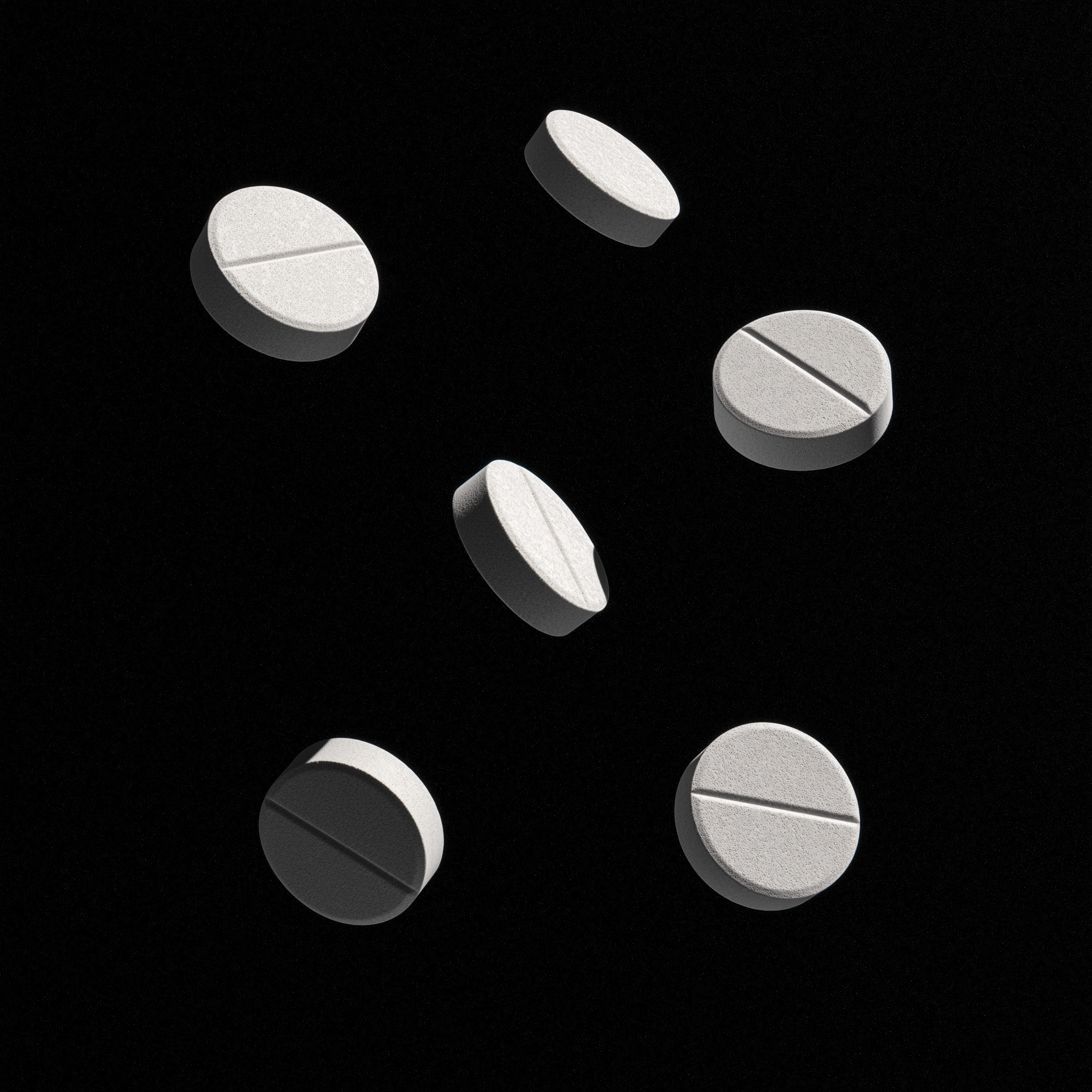
Adderall and methamphetamine are not the same drug, but they are chemically related, both belong to the amphetamine family of stimulants. Adderall is an FDA-approved prescription medication used to treat ADHD, while methamphetamine is a much more potent and largely illicit drug with a high potential for abuse. Understanding the key differences can help clarify the risks and why misuse of either substance is dangerous.
- Adderall and methamphetamine are both amphetamine-based stimulants, but they are not the same drug.
- Methamphetamine is significantly more potent than Adderall and reaches the brain faster, producing a stronger and more addictive high.
- Adderall is FDA-approved for ADHD and narcolepsy, whereas methamphetamine has no accepted medical use in its common street form.
- Both substances carry a real risk of dependence and addiction, especially when misused or taken without a prescription.
- If you or someone you know is struggling with stimulant misuse, professional treatment is available and effective.
Is Adderall a Form of Methamphetamine?
Adderall is not a form of methamphetamine, but the two drugs are chemically related. Amphetamine is a class of synthetic stimulant drugs that speed up the central nervous system, increasing focus, energy, and heart rate. Both Adderall and methamphetamine belong to this class, which is why their names and effects overlap in some ways.
Adderall is a combination of amphetamine salts formulated specifically for medical use. It is a controlled prescription drug, approved by the FDA to treat ADHD and narcolepsy. Methamphetamine, on the other hand, is a distinct chemical compound that is far more powerful and is largely illegal in the United States.
The relationship between the two drugs is often misunderstood. Sharing a chemical family does not make them the same substance, just as different members of a family are separate individuals. The differences in potency, chemical structure, and legal status matter enormously when it comes to risk and safety.
How Are Adderall and Methamphetamine Similar?
Dopamine is a brain chemical involved in reward, motivation, and pleasure. Stimulants flood the brain with it, which drives their addictive potential. Both Adderall and methamphetamine trigger this dopamine release, which is central to how they work and why both carry abuse risk.
- Both drugs increase dopamine and norepinephrine levels in the brain, producing feelings of focus, energy, and elevated mood.
- Both are classified as Schedule II controlled substances under federal law, meaning they have recognized medical uses but a high potential for abuse and dependence.
- Both can cause increased heart rate, reduced appetite, elevated blood pressure, and disrupted sleep when used.
- Both carry a real risk of physical and psychological dependence, even when used as directed over a long period of time.
- A prescription form of methamphetamine called Desoxyn does exist and is approved for ADHD and obesity, but it is rarely prescribed and represents a tiny fraction of medical stimulant use.
- Just as with cocaine addiction treatment, treating stimulant dependence requires addressing how these drugs rewire the brain’s reward system.
How Are Adderall and Methamphetamine Different?
While the two drugs share a chemical family, the differences between them are significant and clinically important. Schedule II Controlled Substance is a drug classification by the DEA indicating high potential for abuse and dependence, but with some accepted medical use under strict regulation. Both drugs carry this classification, but how they are used, formulated, and how quickly they affect the brain sets them apart.
If methamphetamine use has become a concern, specialized methamphetamine addiction treatment can provide the focused support needed for recovery.
| Feature | Adderall | Methamphetamine |
|---|---|---|
| Chemical compound | Mixed amphetamine salts (amphetamine and dextroamphetamine) | Methamphetamine hydrochloride; a separate but related compound |
| Potency | Lower potency; effects are gradual and controlled | Much higher potency; up to three times the dopamine surge of Adderall |
| Speed of onset | Slower absorption; formulated for sustained release over hours | Reaches the brain very rapidly, especially when smoked or injected |
| Route of administration | Taken orally in regulated doses prescribed by a doctor | Often smoked, injected, snorted, or swallowed in street use |
| FDA approval | FDA-approved for ADHD and narcolepsy | Street meth has no accepted medical use; prescription Desoxyn is rarely used |
| Legal status | Legal with a valid prescription; illegal without one | Illegal; possession and distribution carry serious criminal penalties |
| Addiction risk | Lower risk when used as prescribed; higher risk when misused | Extremely high addiction risk due to intensity and speed of dopamine release |
Can Adderall Be Addictive Even If It Is Prescribed?
Yes, Adderall can lead to dependence even when taken as prescribed. Stimulant use disorder is a recognized clinical condition where a person cannot control their use of stimulant drugs despite negative consequences to health, relationships, or daily life. This condition can develop gradually, even when someone starts out following their prescription exactly.
Misuse includes taking higher doses than prescribed, using it more frequently than directed, or using someone else’s prescription. Stimulant misuse is particularly common among college students and working professionals who use it to boost focus or manage demanding schedules. Over time, tolerance can build, meaning the same dose produces less effect and users feel pressure to take more.
Stopping Adderall abruptly after prolonged use can cause withdrawal symptoms such as extreme fatigue, low mood, and difficulty concentrating. Addiction is possible even without any intention to abuse the drug. If Adderall no longer feels like it is working as prescribed, that is a signal worth discussing with a doctor right away.
If stimulant use has started to feel out of control, Lighthouse Recovery in Dallas offers compassionate, evidence-based care designed to help men reclaim their lives. Verify your insurance with Lighthouse or call us at (214) 717-5884.
What Are the Warning Signs of Stimulant Addiction?
Tolerance is when the body adapts to a drug over time so that the same dose produces less effect, often leading to increased use. Tolerance is one of the earliest warning signs that stimulant use may be shifting toward dependence. The following signs suggest it may be time to seek professional support.
- Using more than prescribed or using without a prescription. Taking higher doses or obtaining stimulants outside of a doctor’s care is a clear sign of misuse, regardless of the reason behind it.
- Feeling unable to function or focus without the drug. If a person feels they cannot get through a normal day without taking a stimulant, psychological dependence may have developed.
- Hiding use from doctors, family, or friends. Secrecy around drug use is a strong signal that the person using knows the behavior has gone beyond what is acceptable or safe.
- Experiencing mood crashes, anxiety, or paranoia between doses. These symptoms between uses suggest the brain is struggling to regulate itself without chemical support.
- Continued use despite health problems, job issues, or relationship strain. When someone keeps using a stimulant even as it clearly causes harm, that is a defining characteristic of addiction.
- Spending significant time obtaining or recovering from stimulant use. When acquiring the drug or recovering from its effects takes up large portions of the day, daily life has been meaningfully disrupted.
When Should You Seek Help for Stimulant Misuse?
Dual diagnosis is when a person has both a substance use disorder and a co-occurring mental health condition, such as anxiety or ADHD, that require integrated treatment. This is especially relevant with stimulant misuse, because the same conditions that lead someone to start using Adderall can also make stopping much harder without professional support.
Any use of Adderall without a valid prescription is considered misuse, and the right time to seek help is before the problem deepens. If methamphetamine has been used at any point, professional support is strongly recommended, as meth’s effects on the brain require specialized care. Early intervention consistently leads to better long-term outcomes.
Lighthouse Recovery in Dallas offers stimulant addiction treatment in a structured, evidence-based environment designed specifically for men. An intensive outpatient program can allow someone to continue working or maintaining responsibilities while getting real clinical support. If you are not sure where you stand, take our free self-assessment as a low-barrier first step toward understanding your options.
Take the Next Step Toward Recovery
Whether the concern involves prescription stimulant misuse or methamphetamine use, both are serious and both respond well to the right treatment. Reaching out early gives you the best chance of a full and lasting recovery.
Lighthouse provides evidence-based treatment for men prepared to build a foundation for long-term recovery. Our programs include Partial Hospitalization (PHP), Intensive Outpatient (IOP), and Extended Care Treatment, all designed with small group sizes, individualized care, high accountability, and integrated psychiatric support where needed. Please call us at (214) 717-5884, verify your insurance to understand your coverage options, or take a short online assessment to get started.