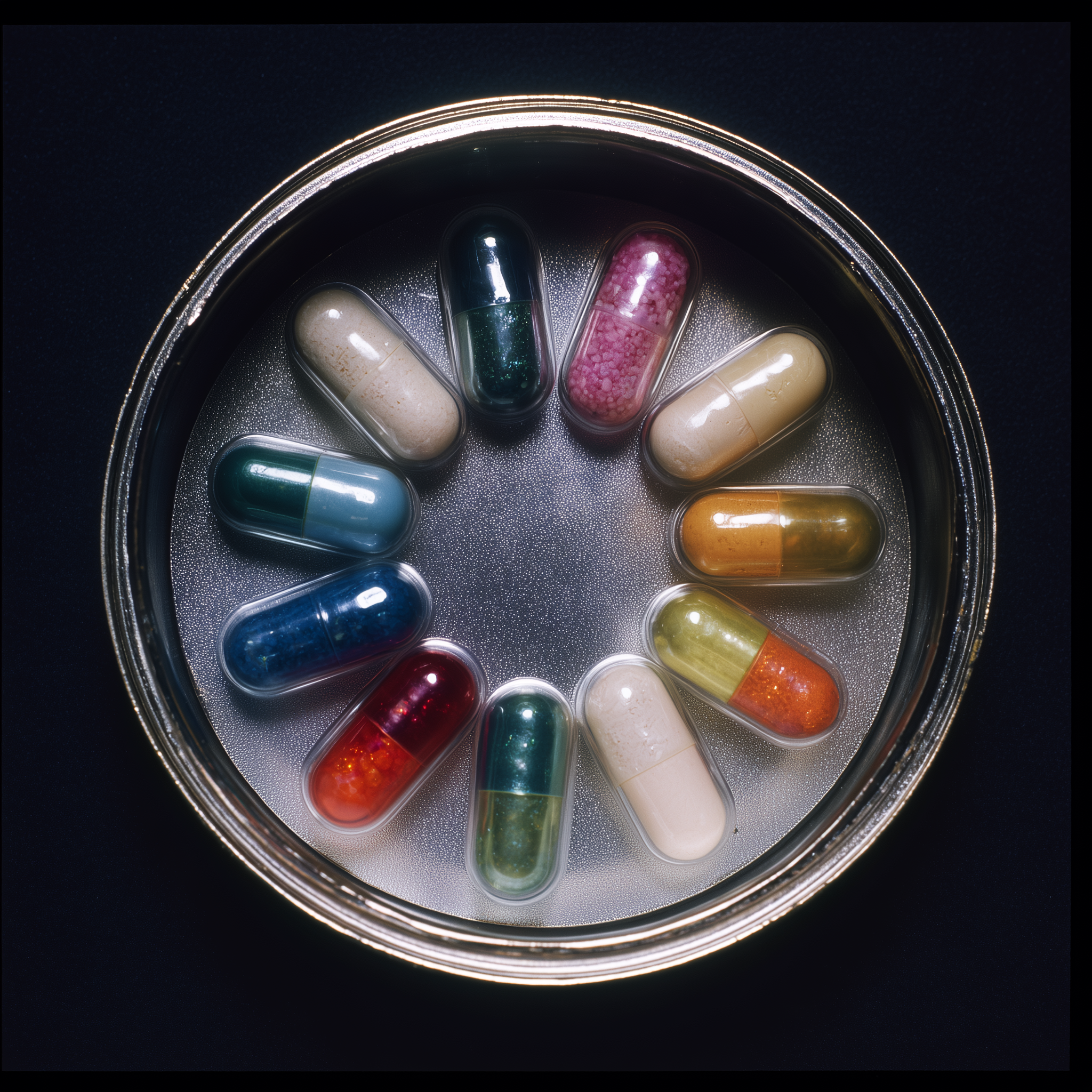
When someone struggles with both ADHD and substance use disorders, traditional stimulant medications can complicate recovery efforts. At Lighthouse Recovery, we’ve witnessed this challenge repeatedly: young adults whose untreated ADHD symptoms drove them toward self-medication, only to find themselves caught between needing focus and maintaining sobriety.
The intersection of ADHD and addiction requires careful navigation. While stimulant medications like Adderall or Ritalin effectively treat ADHD symptoms, they can trigger relapse or create new dependencies in people with substance use histories. This reality makes non-stimulant ADHD addiction treatment not just preferable but often essential for sustainable recovery.
We’ve found that addressing both conditions simultaneously, rather than treating them separately, leads to better outcomes. This approach acknowledges the complex relationship between attention disorders and addictive behaviors while providing safe, effective alternatives to traditional stimulant therapy.
Understanding Dual Diagnosis ADHD and Addiction
The relationship between ADHD and substance use disorders runs deeper than many realize. Research from the American Psychological Association shows that patients with ADHD are significantly more likely to develop substance use disorders than those without the condition.
Dual diagnosis ADHD presents unique challenges because both conditions affect similar brain regions. The prefrontal cortex, responsible for executive function, impulse control, and decision-making, struggles in both ADHD and addiction. This overlap means that untreated ADHD symptoms can directly contribute to relapse risk.
Why Self-Medication Occurs
People with undiagnosed or undertreated ADHD often discover that certain substances temporarily improve their focus or reduce hyperactivity. Alcohol might calm racing thoughts, while stimulants like cocaine or methamphetamines can enhance concentration. In addition, what can sometimes begin as accidental self-medication quickly becomes a dangerous cycle.
- Difficulty concentrating leads to substance use for focus
- Hyperactivity drives seeking sedating substances
- Emotional dysregulation prompts mood-altering drug use
- Low self-esteem from ADHD struggles increases vulnerability to addiction
The Recovery Dilemma
Traditional ADHD medications pose obvious problems in recovery. Stimulants carry abuse potential and can trigger cravings or relapse. Even when prescribed appropriately, they may feel too similar to drugs of abuse, creating psychological discomfort or fear of dependency.
This leaves many people feeling trapped: continue struggling with untreated ADHD symptoms that interfere with recovery, or risk their sobriety with potentially triggering medications. Non-stimulant ADHD treatment offers a third option.
Non-Stimulant Medication Options and Treatment Approaches
Several effective non-stimulant ADHD addiction treatment options provide symptom relief without jeopardizing recovery. These medications work through different mechanisms than traditional stimulants, reducing both abuse potential and relapse risk.
FDA-Approved Non-Stimulant Medications
| Medication | Mechanism | Primary Benefits | Timeline |
| Atomoxetine (Strattera) | Norepinephrine reuptake inhibitor | Improved focus, reduced hyperactivity | 4-6 weeks full effect |
| Viloxazine (Qelbree) | Norepinephrine reuptake inhibitor | Enhanced attention, mood stability | 2-4 weeks initial response |
| Guanfacine (Intuniv) | Alpha-2A adrenergic receptor agonist | Better impulse control, reduced hyperactivity | 1-2 weeks for initial benefits |
| Clonidine (Kapvay) | Alpha-2 adrenergic receptor agonist | Improved hyperactivity, sleep regulation | 1-3 weeks |
Medication Selection Considerations
Choosing the right medication selection for dual diagnosis treatment requires careful assessment. We evaluate several factors when recommending non-stimulant options:
Individual symptom profiles vary significantly. Some people primarily struggle with inattention, while others battle hyperactivity or impulsivity. Different non-stimulant medications target these symptoms through distinct pathways.
Substance use history influences medication choice. Someone with a history of stimulant abuse might benefit from atomoxetine, which has no stimulant properties. Those with alcohol use disorders might find guanfacine helpful for managing both ADHD symptoms and anxiety.Co-occurring mental health conditions affect treatment decisions. Depression, anxiety, or trauma history can guide medication selection toward options that address multiple symptoms simultaneously.
Monitoring and Adjustment
Non-stimulant medications typically require more patience than stimulants. Effects build gradually over weeks rather than hours. This slower onset can be challenging for people accustomed to immediate results, but it also reduces abuse potential and provides more stable symptom control.
Regular monitoring ensures optimal dosing and identifies any side effects early. We work closely with prescribers to track progress and make adjustments as needed, always prioritizing both ADHD symptom management and recovery stability.
Integrated Treatment Strategies for Long-Term Success
Medication alone rarely provides complete symptom resolution for dual diagnosis ADHD. Effective co-occurring treatment requires comprehensive approaches that address the behavioral, psychological, and social aspects of both conditions.
At Lighthouse Recovery, we integrate ADHD treatment into our broader addiction recovery framework. This approach recognizes that untreated ADHD symptoms can undermine recovery efforts, while addiction behaviors can worsen ADHD management.
Behavioral Interventions
Cognitive-behavioral therapy specifically adapted for ADHD helps develop practical skills for managing symptoms without substances. These interventions focus on:
- Organization and time management techniques that don’t rely on stimulant medication
- Mindfulness practices to improve attention and reduce impulsivity
- Emotional regulation skills to manage frustration and mood swings
- Problem-solving strategies for daily challenges
Environmental Modifications
Creating supportive environments reduces ADHD symptom impact while supporting recovery. This includes structured daily routines, organized living spaces, and clear systems for managing responsibilities.
Our Extended Care Program provides this structured environment while teaching residents to eventually manage these elements independently. The combination of external structure and internal skill development creates sustainable change.
Addressing Counterarguments
Some treatment providers worry that focusing on ADHD symptoms might distract from addiction recovery. They argue that addressing substance use should take priority over managing attention disorders.
However, research published in the Journal of Substance Abuse Treatment consistently shows that treating co-occurring conditions simultaneously produces better outcomes than sequential treatment. Untreated ADHD symptoms create ongoing relapse risk by maintaining the original drivers of substance use.
Integrated treatment that addresses both addiction and ADHD simultaneously reduces relapse rates and improves overall functional outcomes compared to treating these conditions separately.
Family and Social Support
ADHD affects not just individuals but their entire support networks. Family education helps loved ones understand how ADHD symptoms contributed to addiction development and how they can support recovery without enabling.
Peer support groups specifically for dual diagnosis provide connection with others facing similar challenges. Sharing experiences with non-stimulant medications and recovery strategies reduces isolation and builds hope.
Future Directions in Treatment
Emerging research from the National Institute on Drug Abuse suggests that personalized medicine approaches will improve treatment matching in the future. Genetic testing might help predict which non-stimulant medications will work best for specific individuals.
Technology integration also shows promise. Apps and digital tools can provide real-time support for managing ADHD symptoms and tracking recovery progress. These tools complement traditional treatment without replacing human connection and professional guidance.
Building Sustainable Recovery
Long-term success requires more than symptom management. People need to develop new identities that integrate both ADHD awareness and recovery principles. This process takes time and patience, but the results speak for themselves.
We’ve seen clients graduate from our program not just sober and focused, but genuinely confident in their ability to manage both conditions. They understand their triggers, have developed effective coping strategies, and maintain strong support networks.
Conclusion
Non-stimulant ADHD addiction treatment represents a crucial advancement in dual diagnosis care. By providing safe, effective alternatives to traditional stimulant medications, these approaches allow people to address attention symptoms without compromising their recovery.
Success requires more than just switching medications. Comprehensive treatment that includes behavioral interventions, environmental modifications, and strong support systems creates the foundation for long-term recovery from both conditions.
The journey isn’t always easy, but we’ve witnessed remarkable transformations when people receive appropriate treatment for both ADHD and addiction. With patience, proper medication management, and comprehensive support, sustainable recovery is not just possible but probable.
For those struggling with both ADHD and addiction, remember that you don’t have to choose between managing your attention symptoms and maintaining sobriety. Evidence-based treatment approaches can address both conditions effectively, providing hope for a future where you can thrive in recovery while managing ADHD symptoms successfully.
Frequently Asked Questions
How long does it take for non-stimulant ADHD medications to work in people with addiction histories?
Non-stimulant medications typically take longer to show full effects than stimulants, usually 4-6 weeks for medications like atomoxetine. However, some people notice initial improvements within 1-2 weeks. This gradual onset can be frustrating but actually benefits recovery by avoiding the immediate euphoric effects that might trigger cravings. We work with clients to manage expectations and provide additional support during this adjustment period, using behavioral strategies to bridge the gap until medications reach therapeutic levels.
Can someone in early recovery safely start non-stimulant ADHD treatment, or should they wait until they have more sobriety time?
The timing depends on individual circumstances, but many people benefit from starting non-stimulant ADHD treatment relatively early in recovery. Unlike stimulants, non-stimulant medications don’t pose significant abuse risks and can actually support recovery by reducing symptoms that contribute to relapse risk. We typically recommend waiting at least 30 days of sobriety to allow for initial withdrawal and stabilization, then carefully introducing medications under close supervision. Current treatment guidelines support early intervention when ADHD symptoms significantly interfere with recovery efforts.
What happens if non-stimulant medications don’t provide enough symptom relief for someone in recovery?
If non-stimulant medications provide insufficient relief, we explore several options before considering stimulants. This includes optimizing dosing, trying different non-stimulant medications, adding behavioral interventions, or using combination approaches. Some people may eventually transition to carefully monitored stimulant treatment after establishing solid recovery foundations, but this requires extensive evaluation and safeguards. The goal is always to find the least risky option that provides adequate symptom control while protecting recovery stability.